
Nearly 30% of first-time bidders lose money or end up with a problematic vehicle due to lack of preparation.
Participating in a car auction can be a thrilling experience, but it requires a well-thought-out car auction bidding strategy to avoid costly errors.
First-time bidders often make critical mistakes that can be avoided with proper knowledge.
By understanding these common pitfalls, buyers can navigate the auction process more effectively.
Key Takeaways
- Research the vehicle’s history before bidding.
- Inspect the vehicle thoroughly during the inspection period.
- Set a budget and stick to it.
- Understand the auction process and rules.
- Be prepared to walk away if the price exceeds your budget.
Why First-Time Auction Bidders Lose Money (The Winner’s Curse Explained)
First-time bidders often fall prey to the Winner’s Curse, a phenomenon where the highest bidder tends to overpay for an item. This occurs due to competitive bidding, where participants get caught up in the excitement of the auction.
Understanding the Winner’s Curse
The Winner’s Curse is a common issue in auctions where the winning bidder pays a price that exceeds the item’s true value. This happens because bidders often rely on their individual estimates, which may be higher than the actual worth.
Key factors contributing to the Winner’s Curse include:
- Lack of research on the item’s value
- Emotional involvement in the bidding process
- Competitive atmosphere of the auction
To illustrate the impact of the Winner’s Curse, consider the following table comparing the actual sale prices of vehicles at auctions to their estimated values:
| Vehicle | Estimated Value | Auction Sale Price |
|---|---|---|
| 2018 Sedan | $15,000 | $18,000 |
| 2020 SUV | $25,000 | $28,500 |
| 2019 Truck | $20,000 | $22,000 |
As shown in the table, the auction sale prices often exceed the estimated values, demonstrating the Winner’s Curse effect.
To avoid falling victim to the Winner’s Curse, first-time bidders should develop a car auction bidding strategy that includes thorough research and setting a maximum bid limit. Understanding when to stop bidding is crucial; bidders should know how to know when to stop bidding at an auction to avoid overpaying.
Mistake #1: Bidding Without Setting a Walk-Away Price
Without a predetermined walk-away price, first-time bidders risk overspending at car auctions. Setting a budget is crucial to avoid getting caught up in the excitement of bidding.
The Importance of Setting a Budget
Setting a budget helps bidders make informed decisions and stick to their financial limits. To set an effective budget, consider the following steps:
- Research the market value of the vehicle you’re interested in.
- Determine your maximum bid based on your research and financial situation.
- Stick to your budget to avoid financial strain.
Determining Your Maximum Bid
To determine your maximum bid, consider the following factors:
- Market value of the vehicle.
- Additional costs such as buyer’s premium and fees.
- Your financial situation and comfort level with the bid amount.
By following these steps, you can effectively set a maximum bid and avoid the pitfalls of bidding without a walk-away price. This approach is considered one of the best ways to avoid bidding wars at car auctions.
Learning how to set a max bid at a car auction is essential for a successful bidding experience. It allows you to participate confidently and make informed decisions.
Mistake #2: Ignoring the Buyer’s Premium and Hidden Fees

The total cost of purchasing a vehicle at an auction includes more than just the bid amount. Many buyers are surprised by additional fees that can significantly increase the final cost.
Understanding Additional Costs
When bidding at an auction, it’s crucial to understand the various costs involved. Two significant additional costs are the buyer’s premium and hidden fees.
Buyer’s Premium: This is a percentage of the bid amount added to the purchase price. It’s a fee charged by the auction house for facilitating the sale.
Hidden Fees: These can include documentation fees, registration fees, and other charges. They vary by auction house and location.
| Fee Type | Description | Average Cost |
|---|---|---|
| Buyer’s Premium | Percentage of the bid amount | 5-10% |
| Documentation Fees | Fee for processing paperwork | $100-$300 |
| Registration Fees | Fee for registering the vehicle | $50-$200 |
To avoid surprises, it’s essential to factor these costs into your bidding strategy. Research the auction house’s fees before bidding to understand the total cost involved.
By understanding and accounting for these additional costs, bidders can make more informed decisions and avoid costly mistakes.
Mistake #3: Getting Caught in Bidding Wars You Can’t Win
Getting caught in bidding wars is a common pitfall for first-time bidders at car auctions. The excitement of bidding can lead to overpaying for a vehicle.
To avoid this mistake, it’s essential to have a clear strategy. Here are some effective strategies to help you avoid getting caught in bidding wars:
Strategies to Avoid Bidding Wars
- Set a firm budget: Determine your maximum bid before the auction starts.
- Stay calm and objective: Avoid getting emotionally invested in the bidding process.
- Use proxy bidding: Many online auctions offer proxy bidding, which allows you to set your maximum bid and let the system bid on your behalf.
Additionally, consider the following tips to stay in control:
- Research the market value of the vehicle beforehand.
- Don’t get caught up in the excitement of the auction.
- Be prepared to walk away if the bidding exceeds your budget.
By employing these strategies, you can avoid getting caught in bidding wars and ensure a successful auction experience.
Mistake #4: Failing to Research Comparable Sales Before Bidding
First-time bidders often overlook the importance of researching comparable sales before placing a bid at a car auction. Understanding the market value of the vehicle is crucial to making informed bidding decisions.
The Value of Research
Researching comparable sales helps bidders determine the fair market value of a vehicle. This information enables them to make more informed decisions during the bidding process.
Key benefits of researching comparable sales include:
- Understanding the market value of the vehicle
- Avoiding overpaying for the vehicle
- Making informed bidding decisions
To gather relevant data, bidders can use online resources such as pricing guides, auction results, and sales data from reputable sources. They can also consult with industry experts or use specialized software to analyze market trends.
By doing thorough research, bidders can develop a car auction bidding strategy that is informed and effective. This helps first-time buyers avoid common mistakes and achieve their goals.
Some recommended steps for researching comparable sales include:
- Identify the vehicle’s make, model, and year
- Check pricing guides and auction results
- Analyze sales data from reputable sources
- Consult with industry experts if necessary
Mistake #5: Not Inspecting the Vehicle During Preview

First-time bidders often overlook the importance of inspecting the vehicle during the preview period. Inspecting a vehicle before bidding is crucial as it can reveal potential issues and help bidders avoid costly surprises.
Conducting a Thorough Inspection
To conduct a thorough inspection, bidders should examine the vehicle’s condition, checking for any signs of damage or wear. This includes:
- Checking the exterior for dents, scratches, or rust
- Inspecting the tires for uneven wear or damage
- Examining the interior for stains, tears, or other damage
- Testing the vehicle’s electrical systems, such as the lights and infotainment system
- Looking for any signs of previous repairs or modifications
A thorough inspection can help bidders identify potential problems and make a more informed decision about whether to bid on the vehicle.
- The vehicle’s maintenance history
- Any existing or potential mechanical issues
- The condition of the vehicle’s body and paintwork
- The functionality of safety features, such as airbags and anti-lock brakes
By taking the time to inspect the vehicle thoroughly, bidders can avoid the mistake of not inspecting the vehicle during preview and reduce the risk of costly surprises after the sale.
Mistake #6: Bidding on Impulse Without a Checklist
Bidding without a checklist is a common error that can lead to costly mistakes at car auctions. First-time bidders often get caught up in the excitement of the auction, leading to impulsive decisions.
Benefits of a Bidding Checklist
A well-structured bidding checklist helps bidders stay organized and focused. It ensures that all relevant factors are considered before making a bid.
- Pre-Auction Research: Gather information about the vehicle, including its history, condition, and market value.
- Budgeting: Determine the maximum bid based on the vehicle’s value and additional costs like buyer’s premium and fees.
- Inspection: Note any defects or needed repairs observed during the preview.
Creating a checklist involves several key steps. It starts with researching the vehicle to understand its market value and potential issues.
| Checklist Item | Description | Importance Level |
|---|---|---|
| Vehicle History | Check for accidents, previous owners, and any major repairs. | High |
| Market Value | Research comparable sales to determine a fair market value. | High |
| Inspection Notes | Document any defects or issues observed during the preview. | Medium |
| Budget | Set a maximum bid based on the vehicle’s value and additional costs. | High |
By following a structured checklist, bidders can make more informed decisions and avoid the pitfalls of impulse bidding.
Mistake #7: Trusting Verbal Promises From Sellers or Auctioneers
One of the most significant mistakes bidders make is trusting verbal promises without getting written agreements. Verbal promises from sellers or auctioneers can be enticing, but they often lack the legal binding that written contracts provide.
The Importance of Written Agreements
Written agreements are crucial in car auctions as they protect the buyer’s interests and prevent potential disputes. Without a written contract, bidders may find themselves in a difficult position if the seller or auctioneer fails to honor their verbal promises.
Key Elements of a Written Agreement:
- Clear description of the vehicle
- Terms and conditions of the sale
- Payment details
- Any warranties or guarantees
To avoid potential pitfalls, bidders should insist on written agreements that outline all the terms of the sale.
The following table highlights the differences between verbal and written agreements in car auctions:
| Aspect | Verbal Agreement | Written Agreement |
|---|---|---|
| Legal Binding | No | Yes |
| Clarity | Often ambiguous | Clear and specific |
| Dispute Resolution | Difficult | Easier |
By understanding the importance of written agreements, bidders can protect themselves from potential risks and ensure a smoother transaction.
Tips for a Successful Auction Experience

Preparation is key to a successful car auction experience, especially for those bidding for the first time. A well-prepared bidder can make informed decisions and avoid costly mistakes.
Preparing for the Auction
To prepare for an auction, first-time buyers should start by researching the market value of the vehicles they’re interested in. This involves checking prices from various sources, including online listings and auction results.
Key steps in preparation include:
- Researching the vehicle’s history and market value
- Inspecting the vehicle before the auction
- Setting a realistic budget
Having a clear bidding strategy is also crucial. This involves deciding on a maximum bid and sticking to it, as well as being aware of the auction dynamics to avoid getting caught in bidding wars.
| Preparation Step | Description | Benefit |
|---|---|---|
| Research Market Value | Check prices from various sources | Make informed bidding decisions |
| Inspect the Vehicle | Check for any damage or issues | Avoid buying a problematic vehicle |
| Set a Realistic Budget | Decide on a maximum bid | Avoid overspending |
By following these tips and being prepared, first-time bidders can significantly improve their chances of a successful auction experience. It’s also important to stay calm and objective during the bidding process.
Understanding Auction Rules and Fees
Understanding the rules and fees associated with car auctions is crucial for a successful bidding experience. Auction rules and fees can vary significantly between different auction houses and online platforms.
Reviewing Auction Terms
Before participating in an auction, it’s essential to review the terms and conditions carefully. This includes understanding the buyer’s premium, which is a percentage of the hammer price added to the final bid amount.
Additionally, bidders should be aware of other potential fees, such as registration fees, payment processing fees, and any applicable taxes.
To avoid any surprises, bidders should carefully review the auction terms and conditions, including the payment terms and any additional fees associated with the purchase.
Some key aspects to review include:
- The buyer’s premium and how it’s calculated
- Payment terms, including accepted payment methods and deadlines
- Any additional fees, such as registration or documentation fees
- The process for transferring ownership of the vehicle
By understanding the auction rules and fees, bidders can make informed decisions and avoid costly mistakes. It’s also worth considering whether to use a proxy bid at an auto auction, which can help manage the bidding process.
The Benefits of Online Car Auctions
Online car auctions have revolutionized the way people buy and sell vehicles, offering numerous benefits.
One of the primary advantages of online car auctions is the convenience they offer. Buyers can browse and bid on vehicles from the comfort of their own homes, 24/7.
Convenience and Accessibility
Online car auctions provide a platform for buyers to access a wider selection of vehicles, including rare and unique models. This increased accessibility allows buyers to find their desired vehicle more easily.
Key benefits of online car auctions include:
- Convenience: Browse and bid on vehicles from anywhere
- Accessibility: Access a wider selection of vehicles
- Flexibility: Bid at any time, 24/7
| Feature | Online Car Auctions | Traditional Auctions |
|---|---|---|
| Convenience | High | Low |
| Accessibility | High | Low |
| Selection | Wide | Limited |
To develop an effective car auction bidding strategy, buyers should research the market value of the vehicle, set a budget, and stick to it.
If you get outbid at an online car auction, don’t be discouraged. You can try to negotiate with the seller or wait for the next auction.
How to Inspect a Vehicle Before Bidding
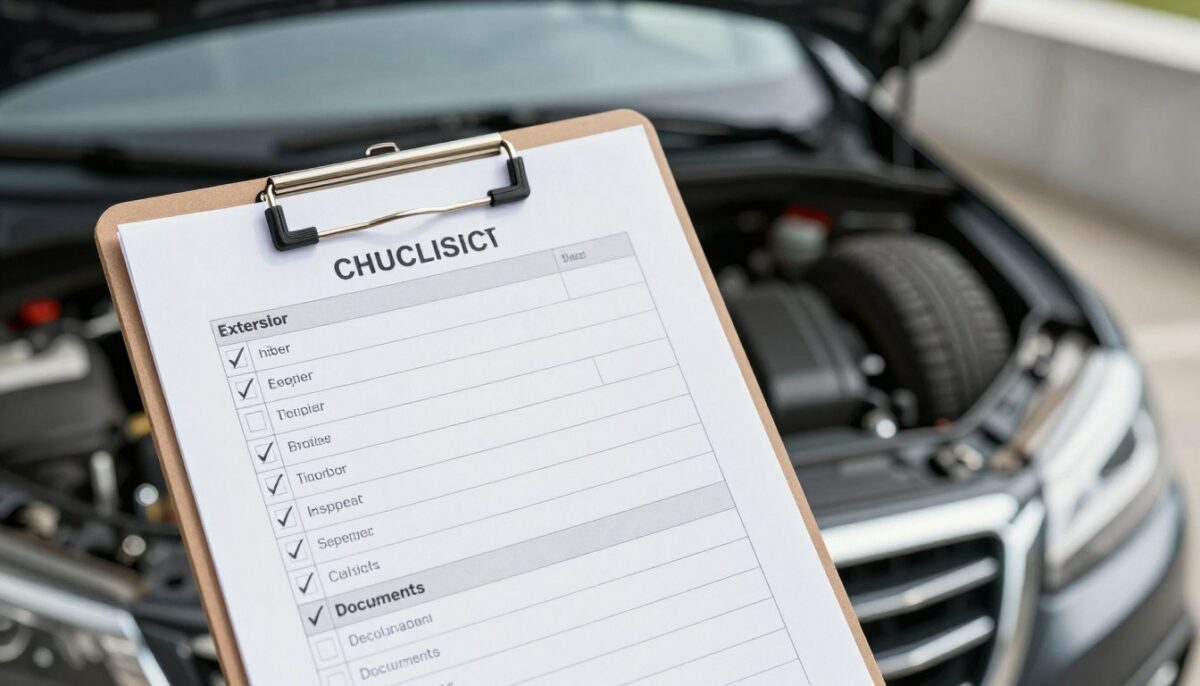
To avoid potential pitfalls, inspect the vehicle carefully before bidding. Inspecting a vehicle before bidding can help identify potential issues and avoid costly surprises.
Conducting a Remote Inspection
When inspecting a vehicle remotely, review the vehicle history report and inspect the provided photos and videos. Look for signs of damage or wear.
- Review the vehicle history report for any accidents or previous owners.
- Inspect the provided photos and videos for signs of damage or wear.
- Check for any inconsistencies in the vehicle’s documentation.
Key Inspection Areas
| Inspection Area | What to Look For |
|---|---|
| Exterior | Dents, scratches, rust spots |
| Interior | Signs of wear, stains, odors |
| Engine | Leaks, worn-out parts, unusual noises |
| Tires | Uneven wear, low tread depth |
By following these inspection tips, you can make a more informed bidding decision and avoid potential pitfalls.
Managing Your Budget and Bidding Strategy
A successful car auction experience starts with a realistic budget and a clear bidding strategy. To achieve this, bidders must understand the importance of managing their finances and bidding approach.
Setting a Realistic Budget
Setting a realistic budget is the foundation of a successful bidding strategy. It involves determining the maximum amount you are willing to pay for a vehicle and sticking to it.
To set a realistic budget, consider the following factors:
- Research the market value of the vehicle to determine a fair price.
- Account for additional costs such as buyer’s premium, taxes, and registration fees.
- Set a maximum bid based on your research and financial situation.
Having a well-defined budget helps bidders avoid getting caught up in the excitement of the auction and making impulsive decisions.
To further enhance your bidding strategy, consider the following tips:
- Stay calm and focused during the auction to make rational decisions.
- Use a bidding checklist to ensure you don’t overlook important details.
- Be prepared to walk away if the bidding exceeds your budget or if you’re not confident in the vehicle’s condition.
By combining a realistic budget with a solid bidding strategy, first-time bidders can significantly improve their chances of success at car auctions.
Avoiding Emotional Bidding
The excitement of bidding can sometimes lead to making costly mistakes. Emotional bidding can cause buyers to overpay for a vehicle, leading to financial strain and regret.
Staying Calm and Objective
To avoid emotional bidding, it’s essential to stay calm and objective during the auction process. Here are some strategies to help you achieve this:
- Set a strict budget: Decide on a maximum bid before the auction and stick to it.
- Research thoroughly: Knowing the market value of the vehicle helps in making informed decisions.
- Take breaks: If you feel yourself getting caught up in the excitement, take a step back and reassess.
- Don’t take it personally: Bidding is not a competition; it’s about making a smart purchase.
By following these tips, bidders can avoid the pitfalls of emotional bidding and make more rational, informed decisions at car auctions.
Final Tips for First-Time Bidders
First-time bidders can significantly improve their chances of success at car auctions by understanding common pitfalls and having a well-planned bidding strategy.
To ensure a successful auction experience, it’s essential to:
- Set a realistic budget and stick to it
- Research the vehicle’s market value
- Inspect the vehicle thoroughly before bidding
- Avoid getting caught in bidding wars
- Use proxy bidding if it aligns with your strategy
Summary of Key Takeaways
First-time bidders should be aware of the common mistakes made at car auctions, including bidding without setting a walk-away price, ignoring additional fees, and trusting verbal promises.
| Common Mistake | Consequence | Prevention Strategy |
|---|---|---|
| Bidding without a budget | Financial loss | Set a realistic budget |
| Ignoring buyer’s premium | Unexpected costs | Factor in additional fees |
| Getting caught in bidding wars | Overpaying for the vehicle | Stay calm and bid strategically |
By understanding these common mistakes and implementing a solid bidding strategy, first-time bidders can navigate car auctions with confidence.
Whether to use a proxy bid at an auto auction depends on the individual’s bidding strategy and comfort level with the auction process.
FAQ
What mistakes should I avoid when bidding on cars at auction?
Avoid bidding without a pre-calculated walk-away price. Don’t ignore buyer’s premium and fees. Skip entering bidding wars and never overlook comparable sales research. Don’t skip vehicle inspections during preview periods. Avoid bidding on impulse without a checklist, and never trust verbal promises without written documentation.
What is the best car auction bidding strategy for first-time buyers?
Calculate your maximum bid before the auction starts. Add market value, buyer’s premium, transport costs, and repair estimates together. Subtract all fees from your total budget to determine your bidding ceiling. Use proxy bidding for online auctions to enforce this limit automatically.
Complete a verification checklist for every lot you consider. Include inspection, comparable sales research, and title confirmation. Walk away when bidding reaches your maximum regardless of competition.
How do I know when to stop bidding at an auction?
Stop bidding the moment the current price reaches your pre-calculated maximum. Reference the written maximum you established before the lot opened. Lower your paddle and do not raise it again at or above your limit. Ignore bid increments or competitor behavior once you reach your ceiling.
How do I set a max bid at a car auction?
Start with wholesale market value from Manheim Market Report or Kelley Blue Book. Add buyer’s premium percentage, transport costs, and estimated repairs together. Subtract this total from your available budget to determine the highest hammer price. Write this number on paper or phone before bidding starts and enforce it without exception.
What is the best way to avoid bidding wars at car auctions?
Enforce your pre-calculated maximum price without exception. Exit bidding wars by standing down for one full bid cycle. Focus on acquiring value rather than beating competitors. Walk away from overpriced lots to preserve capital for the next opportunity.
Is it worth using a proxy bid at an auto auction?
Proxy bidding is worth using at online auctions because it enforces your walk-away price automatically. The system bids the minimum increment necessary up to your stated maximum. This automation eliminates the common pattern of increasing limits “just one more time.” It allows participation across multiple simultaneous lots without requiring real-time decisions.
What should I do if I get outbid at an online car auction?
Search immediately for comparable lots on the same platform. Register alerts for your target vehicle specifications across multiple auction sites. Review upcoming lots for similar vehicles and analyze the closing price. Track results in a spreadsheet to build pattern recognition for future bids.
How do I calculate total costs at a car auction?
Identify buyer’s premium percentage, state sales tax rate, registration fees, transport costs, and storage fees. Sum these amounts and subtract from your total budget to determine your maximum bid. Example: With a ,000 budget, 10% premium, 7% sales tax, 0 registration, and 0 transport. Your maximum bid is ,696 to stay within budget.
What should I inspect before bidding on an auction car?
Check exterior panels for paint mismatch and rust. Inspect interior for water stains and unusual odors. Examine engine bay for fluid leaks and belt condition. Review brake components for wear and frame for corrosion or prior repair welds.
Document findings with photos during your inspection. For online auctions, review the platform’s condition report thoroughly. Hire local mobile inspection services to examine the vehicle and provide a written report.
How do I research comparable sales for auction vehicles?
Collect recent auction results from Manheim Market Report for wholesale values. Check Kelley Blue Book for fair-to-good condition ranges. Review completed eBay Motors sold listings for additional data. Compile 5-10 comparable sales from the past 30-60 days matching your target’s specifications.
Calculate the median sale price from your compiled data. Adjust for mileage variance or documented accidents to establish your market reference point.
Can I trust what auctioneers say about vehicle condition?
No. Rely exclusively on written documentation including the auction’s condition report. Obtain vehicle history reports from CARFAX or AutoCheck. Review title documents carefully before bidding. Most auction terms include “as-is, where-is” language that disclaims all verbal representations.
If sellers or auctioneers make claims about service history or mechanical condition, request written documentation. Ask for service receipts or inspection reports before considering the information in your bidding decision.
What fees do car auctions charge buyers?
Auctions charge buyer’s premium, typically 10-15% of hammer price. State sales tax applies to hammer price plus premium. Registration and title transfer fees add to your total cost. Transport costs apply if the vehicle requires shipping.
Storage fees begin after the grace period, usually 24-48 hours. Some auctions add documentation fees, inspection report fees, or lot withdrawal penalties. Read the auction’s published fee schedule in their terms and conditions before registering.
How do I avoid the winner’s curse at car auctions?
Research wholesale values through Manheim Market Report before entering the auction. Set strict walk-away prices that include all post-purchase expenses. Include buyer’s premium, transport, and repairs in your calculations. Calculate total cost rather than focusing on visible bid increments to prevent overpaying.